Smart Vision International (SVI)

EcoTravel and Sustainability Tourism Topics
The field of ecotravel and sustainable tourism is rapidly evolving, presenting a wealth of opportunities for discussion and exploration at international conferences. Below are some focused topics that can foster insightful dialogues among practitioners, researchers, policymakers, and enthusiasts in the ecotravel and sustainable tourism sectors:
1. Innovative Ecotourism Models.
Explore cutting-edge ecotourism models that prioritise environmental sustainability and community engagement. Discussions can centre around case studies of successful ecotourism initiatives worldwide, examining their impact on local ecosystems and economies.
2. Community-Based Tourism Initiatives:
Examine how community-based tourism can empower local populations, preserve cultural heritage, and promote sustainable practices. This topic encourages the sharing of successful strategies that enhance local participation and improve livelihoods.
3. The Role of Technology in Sustainable Tourism:
Investigate how technology can support sustainable tourism practices, ranging from environmental monitoring tools to apps that promote responsible travel choices. Key discussions might include the rise of virtual tourism as a sustainable alternative and innovations in transport and accommodation.
4. Wildlife Conservation Through Ecotourism.
Discuss the delicate balance between tourism and wildlife conservation, analysing how ecotourism can contribute positively to the protection of endangered species and habitats while providing revenue for conservation efforts.
5. Sustainable Practices in Hospitality:
Focus on sustainable practices within the hospitality industry, including energy efficiency, waste management, and sourcing local products. This topic can cover certifications, best practices, and case studies from hotels and resorts leading the way in adopting eco-friendly practices
6. Health and Wellness Tourism:
Delve into the intersection of health, wellness, and sustainable travel. This topic explores how wellness retreats and alternative therapies can integrate sustainable practices, benefiting both the environment and travellers’ well-being.
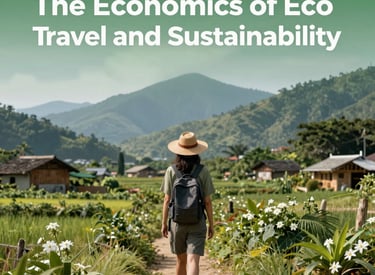
7. The Economics of Eco Travel
Analyse the financial aspects of ecotourism, including funding models, investment opportunities, and the economic impact of sustainable tourism on local communities. Discussions can also address challenges such as economic leakage and the need for fair pricing strategies.
8. Policy Frameworks for Sustainable Tourism
Explore how policies at the local, national, and international levels can shape sustainable tourism practices. This can include discussions on regulatory frameworks, incentives for sustainable businesses, and the role of governments in fostering eco-friendly tourism.
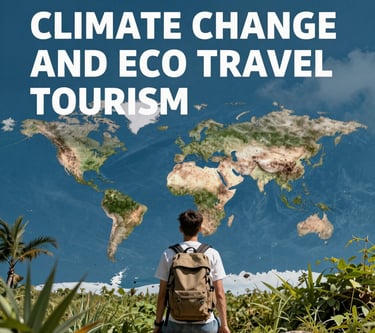
9. Climate Change and Tourism:
Investigate the implications of climate change for the tourism sector and explore strategies for mitigating its effects. Topics can include adaptation strategies for tourism businesses and the role of travellers in combating climate change.
10. Cultural Sensitivity in Ecotourism
Discuss the importance of cultural sensitivity and respect for local traditions in ecotourism initiatives. This topic can help attendees understand how to create tourism experiences that are respectful and beneficial to local communities, rather than exploitative.
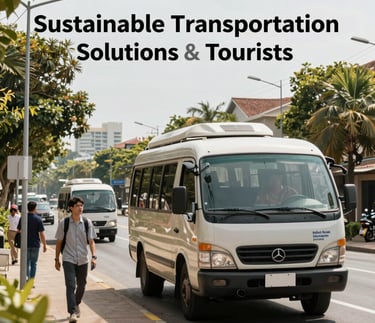
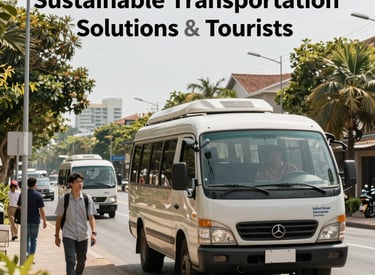
11. Sustainable Transportation Solutions for Tourists
Examine sustainable transportation options for tourists, including biking trails, public transport, and low-emission vehicles. This session can encourage participants to brainstorm innovative solutions to reduce carbon footprints associated with travel.
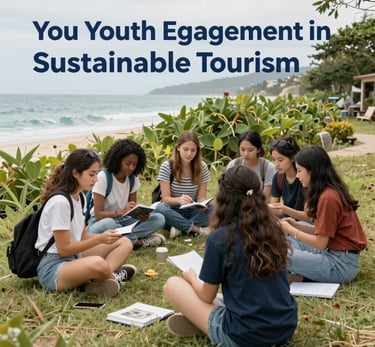
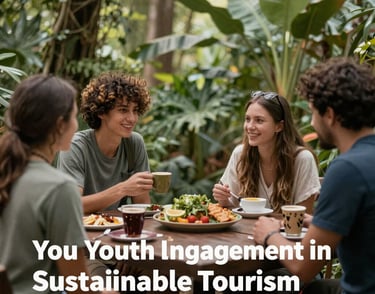
12. Youth Engagement in Sustainable Tourism:
Explore initiatives aimed at engaging young people in sustainable tourism practices. This topic can focus on educational programs, internships, and projects that empower the next generation to become advocates for sustainable travel
13. Evaluating the Impact of Tourism on Local Ecosystems:
Discuss methodologies for assessing how tourism impacts local ecosystems. This can include both positive and negative effects, emphasising the need for responsible tourism practices that protect natural areas.
14. Biodiversity and Ecotourism:
Examine the relationship between biodiversity conservation and ecotourism. Participants can share case studies where ecotourism has contributed to habitat protection and species preservation.
15. Post-Pandemic Recovery in Sustainable Tourism:
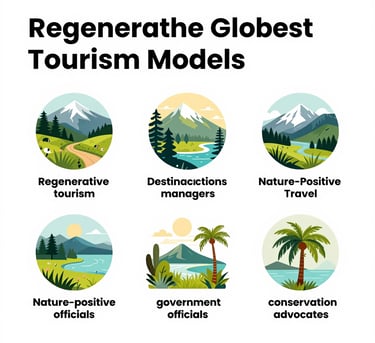
The transition to a green travel and tourism economy requires systemic shifts toward circularity, climate action, and biodiversity protection. Key strategies include decarbonising transport (e.g., advancing sustainable aviation fuels), eliminating single-use plastics, supporting local supply chains, and empowering local communities to champion regenerative, nature-positive tourism experiences.
Reflect on the long-term impacts of the COVID-19 pandemic on the tourism industry and discuss strategies for fostering a sustainable recovery. This includes adapting to new traveller preferences and ensuring resilience in the face of future crises.
Recommendations for the transition to a green travel and tourism economy.
Conclusion:
These topics reflect the diverse and multidimensional aspects of ecotravel and sustainable tourism, encouraging meaningful discussions that can lead to innovative solutions and collaborative efforts. With the right platform, participants can share knowledge, foster partnerships, and inspire a more sustainable future for the tourism industry worldwide.










🌍 EcoTravel 2027: Complete Conference Streams Framework
🌿 Stream 1: Decarbonisation Pathways & Sustainable Infrastructure
Focus: Energy transition, low-carbon transport, green hospitality, eco-friendly design, and comprehensive infrastructure decarbonisation.
Overview: As the global tourism industry races toward Net Zero, this stream explores the critical intersection of travel mobility and the built environment. It provides a roadmap for transitioning away from fossil-fuel dependency by highlighting cutting-edge technologies, sustainable architectural innovations, and actionable decarbonisation strategies.
Track 1.1: The Future of Mobility & Low-Carbon Transport
Aviation's Green Horizon: Commercial viability of Sustainable Aviation Fuels (SAF) and electric/hydrogen flight.
Decarbonising the Seas: Electric/hybrid marine vessels, zero-emission terminals, and shore power (cold ironing).
Electric & Micro-Mobility: Transitioning ground fleets to EVs, smart transit hubs, and e-bike integration.
Track 1.2: Green Hospitality & Eco-Friendly Operations
Smart Energy Management: AI and IoT for predictive energy use, peak-load shaving, and low-footprint HVAC.
Eco-Friendly Building Certifications: Navigating LEED, BREEAM, Green Key, and achieving zero-carbon operations.
Retrofitting for the Future: Energy-efficient retrofitting for historical, heritage, and aging properties.
Track 1.3: Energy Transition & Resilient Infrastructure
The Off-Grid Revolution: Standalone renewable systems, battery storage, and microgrids for remote eco-lodges.
Renewable Integration at Scale: Seamless integration of solar, wind, and geothermal into large-scale hospitality.
Climate-Resilient Masterplanning: Eco-engineering to withstand extreme weather and shifting climate patterns.
Track 1.4: Carbon Accounting, Insetting, and Policy
From Offsetting to Insetting: Investing in localized carbon reduction projects within your own supply chain.
Measuring the Unseen (Scope 3): Tracking indirect emissions (construction materials, vendors, guest travel).
Policy & Green Procurement: How government regulations and green mandates are accelerating the shift.
(Target Audience: Hotel Developers, Transport Execs, Architects & Eco-Designers, Government Infrastructure Ministers, DMOs, and Sustainability Directors)
♻️ Stream 2: Circular Economies & Resource Efficiency
Focus: Waste elimination, sustainable procurement, closed-loop systems, and water stewardship.
Local Sourcing & Supply Chains: Moving to farm-to-fork models, establishing ethical purchasing protocols, and building hyper-local vendor networks to reduce transport emissions.
Designing Out Waste: Eliminating single-use plastics across all operations, implementing zero-waste food & beverage systems, and integrating sustainable, modular architecture.
Water Stewardship: Deploying greywater recycling, rainwater harvesting, and low-flow technologies, particularly in high-stress or delicate ecosystems.
🐅 Stream 3: Nature-Positive Tourism & Biodiversity
Focus: Regenerative travel, wildlife conservation, ecosystem restoration, and stewardship.
Regenerative Tourism: Moving beyond a "leave no trace" mentality to operations that actively restore and revitalize depleted marine and terrestrial ecosystems.
Visitors as Stewards: Developing robust citizen science programs, eco-volunteering opportunities, and guest-led conservation initiatives that add value to the destination.
Biophilic Masterplanning: Designing sustainable tourism architecture that respects wildlife migratory corridors, integrates native biodiversity, and supports natural microclimates.
👥 Stream 4: Community Engagement & Social Equity
Focus: Local ownership, Indigenous partnerships, cultural preservation, and economic equity.
Community Empowerment: Fostering Indigenous co-management models, supporting local eco-enterprises, and establishing fair, equitable profit-sharing mechanisms.
Cultural Preservation: Protecting both tangible and intangible cultural heritage through authentic, respectful, and community-led storytelling.
Shared Prosperity: Ensuring tourism revenues directly fund local healthcare, education, and municipal infrastructure, rather than leaking out of the destination.
🏛️ Stream 5: Green Finance, Policy & Governance
Focus: ESG frameworks, destination management, policy regulations, and corporate leadership.
Unlocking Green Capital: Navigating the landscape of impact investing, green bonds, and blended finance models designed specifically for eco-tourism development.
Destination Governance: Establishing carrying-capacity limits, implementing anti-greenwashing policies, and moving from voluntary commitments to strict regulatory compliance.
ESG & Transparency: Standardizing double-materiality reporting, advancing climate risk exposure disclosures, and utilizing next-generation sustainability dashboards.
Core Benefits of Ecotravel
Funding Conservation: Visitor fees directly finance habitat restoration and anti-poaching patrol programs.
Economic Incentives: Local communities receive jobs, which discourages destructive industries like logging.
Fostering Advocacy: Immersive nature experiences turn travelers into lifelong environmental ambassadors.
Scientific Support: Many eco-tours incorporate citizen science to help researchers collect wildlife data.
Do you have topic ideas to encourage Sustainable Tourism?
We welcome ideas for EcoTravel and Sustainable
Tourism topics from anyone in our global community.
Please fill out the contact form on the homepage.






© 2026. All rights reserved. SVI